30 Food Idioms in English to Add Flavor to Your Speech


Many native English speakers use food idioms in their daily conversations as a way to make the speech more colorful and humorous. In informal conversations, they can set a friendly tone, while in formal situations, they can help release the tension.
There are various idioms about food in the English language, and setting a goal of learning them all can be challenging. So, today, we are going to discuss 30 idioms and break them down into example sentences. We will also explain the meaning behind idioms and how learning them can be beneficial to improving your English skills. Let’s jump right into it!
List of 30 food idioms to learn
Here are 30 food idioms examples that we are going to be looking at today:
#1Bread and butter

Our first food idiom is bread and butter, which means a source of income or an activity that provides all of the basic necessities to live.
Example:
- Mike got his first bread-and-butter job after graduating high school.
- I’m very passionate about my hobby as a street photographer, but it’s not my bread and butter.
#2Cry over spilled milk
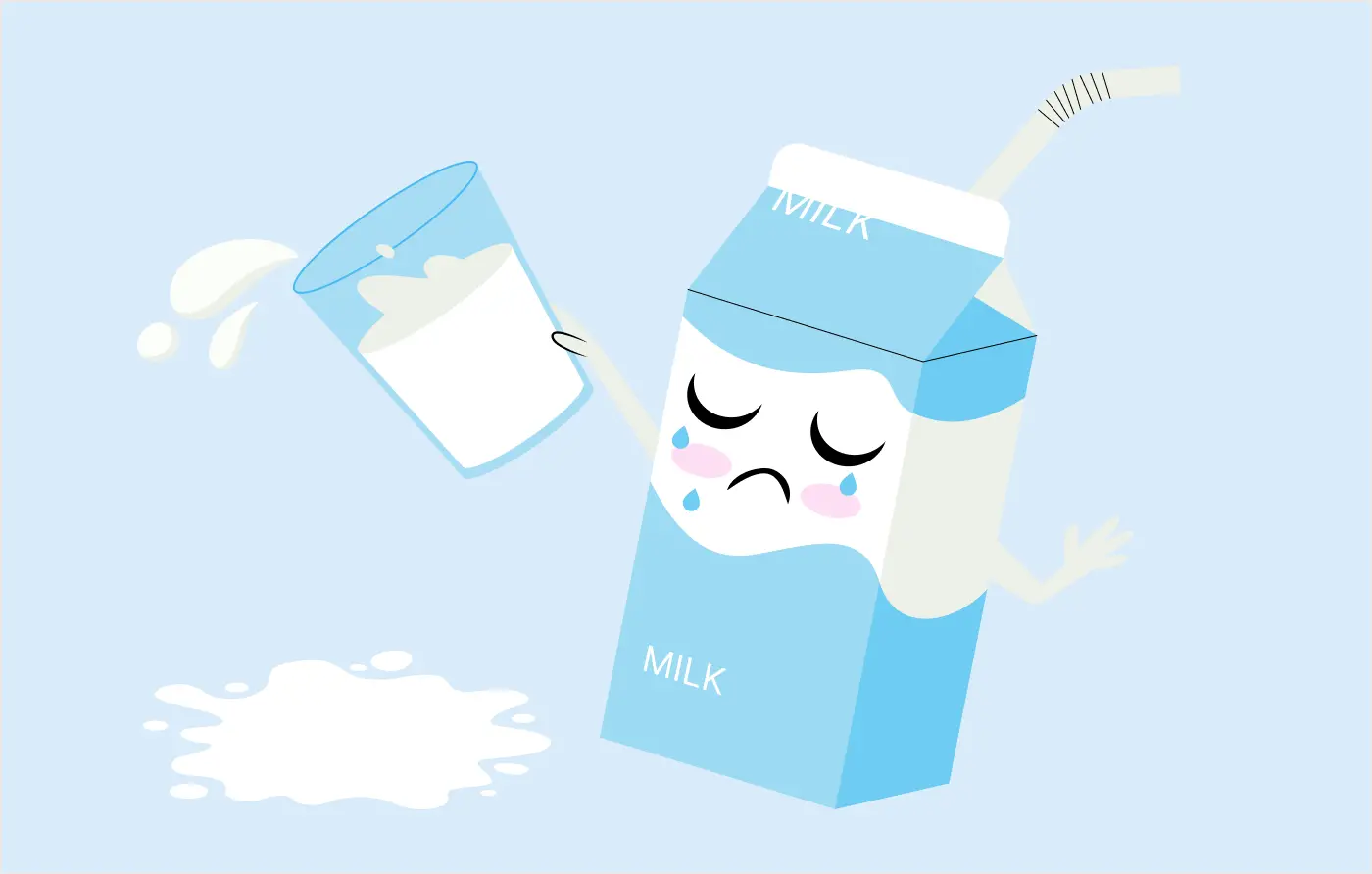
Crying over spilled milk means feeling upset or regretful over something that has already happened. It’s often used to point out that such behavior isn’t helpful.
Example:
- Don’t cry over the spilled milk, it won’t help you get back the money that you’ve lost.
- Making a mistake is not the end of the world, so there is no need to cry over the spilled milk.
#3Bring home the bacon

When someone brings home the bacon, it means they are working to provide for their family. Curiously, one of the theories about the origin of this idiom dates back to 1906 when a boxing champion was said to “bring home the bacon” after his mother sent him a telegram.
Example:
- I can’t sit around without a job, I need to bring home the bacon.
- Back in the day, women would be stay-at-home mothers while relying on their husbands to bring home the bacon.
#4Hot potato
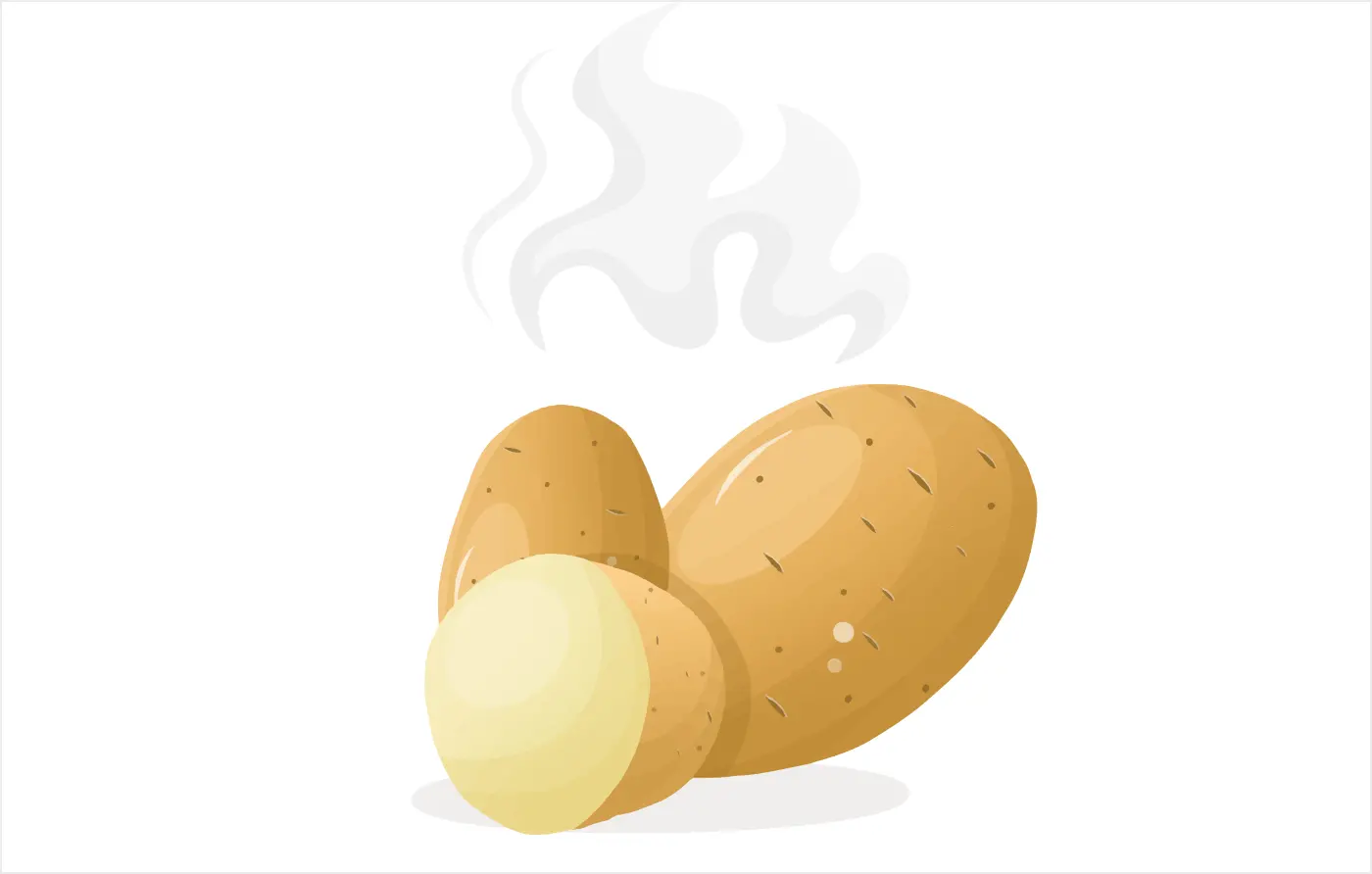
A hot potato is among food idioms that refer to a topic or a situation that many people disagree about and no one wants to deal with or resolve the issue.
Example:
- The topic of politics became a hot potato in our family.
- Migration is a hot potato topic in every election.
#5Hard nut to crack
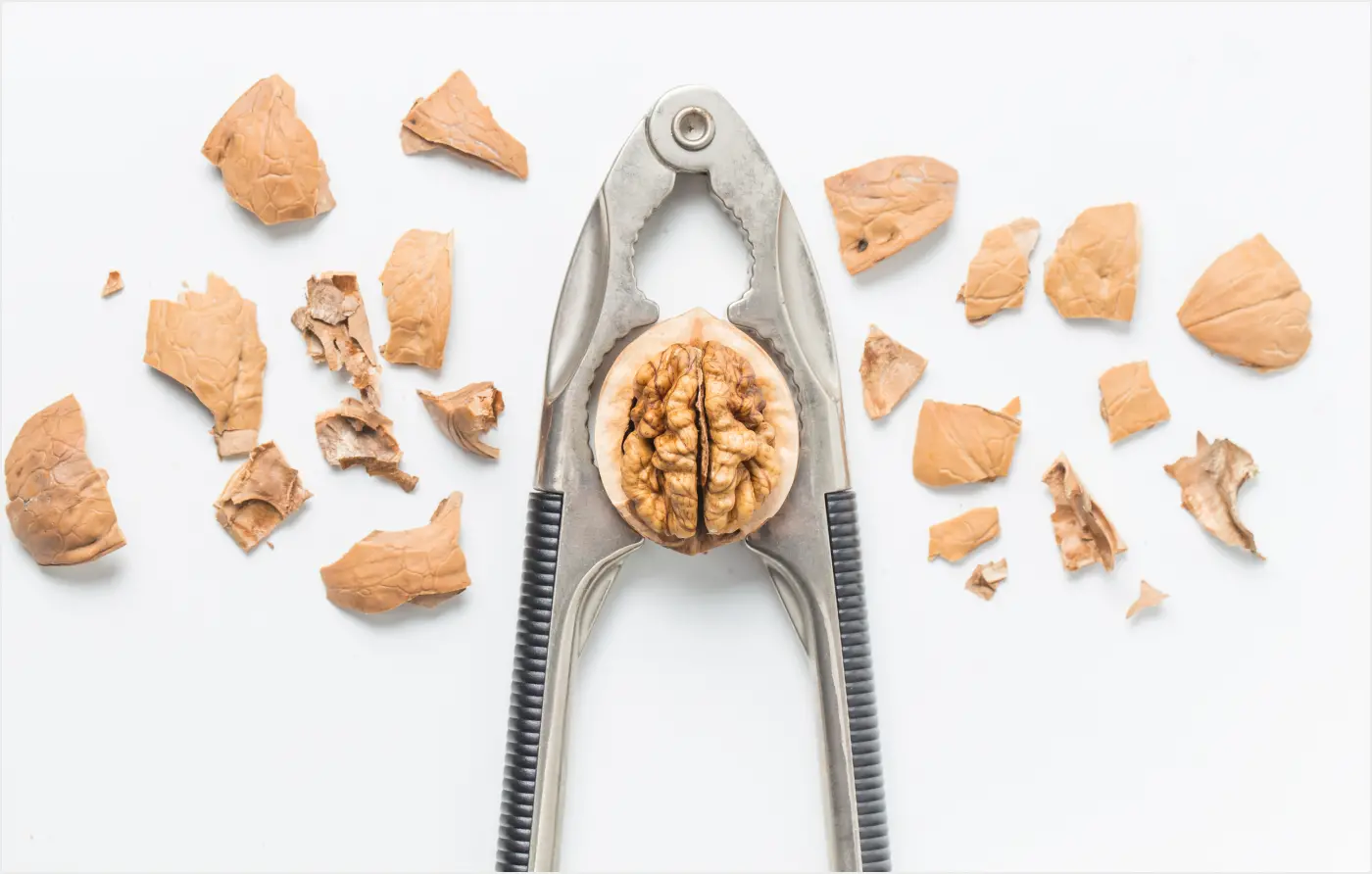
A hard nut to crack is a situation or a person that is difficult to understand or deal with.
Example:
- A teacher gave us an assignment that was truly a hard nut to crack.
- The new guy in our class still hasn’t made any friends because he is a hard nut to crack.
#6In a nutshell

When someone gives you the information in a nutshell, it means they described it very briefly and using as fewer words as possible.
Example:
- In a nutshell, our prom party went as planned.
- My manager gave me an update about the project in a nutshell.
#7Smart cookie
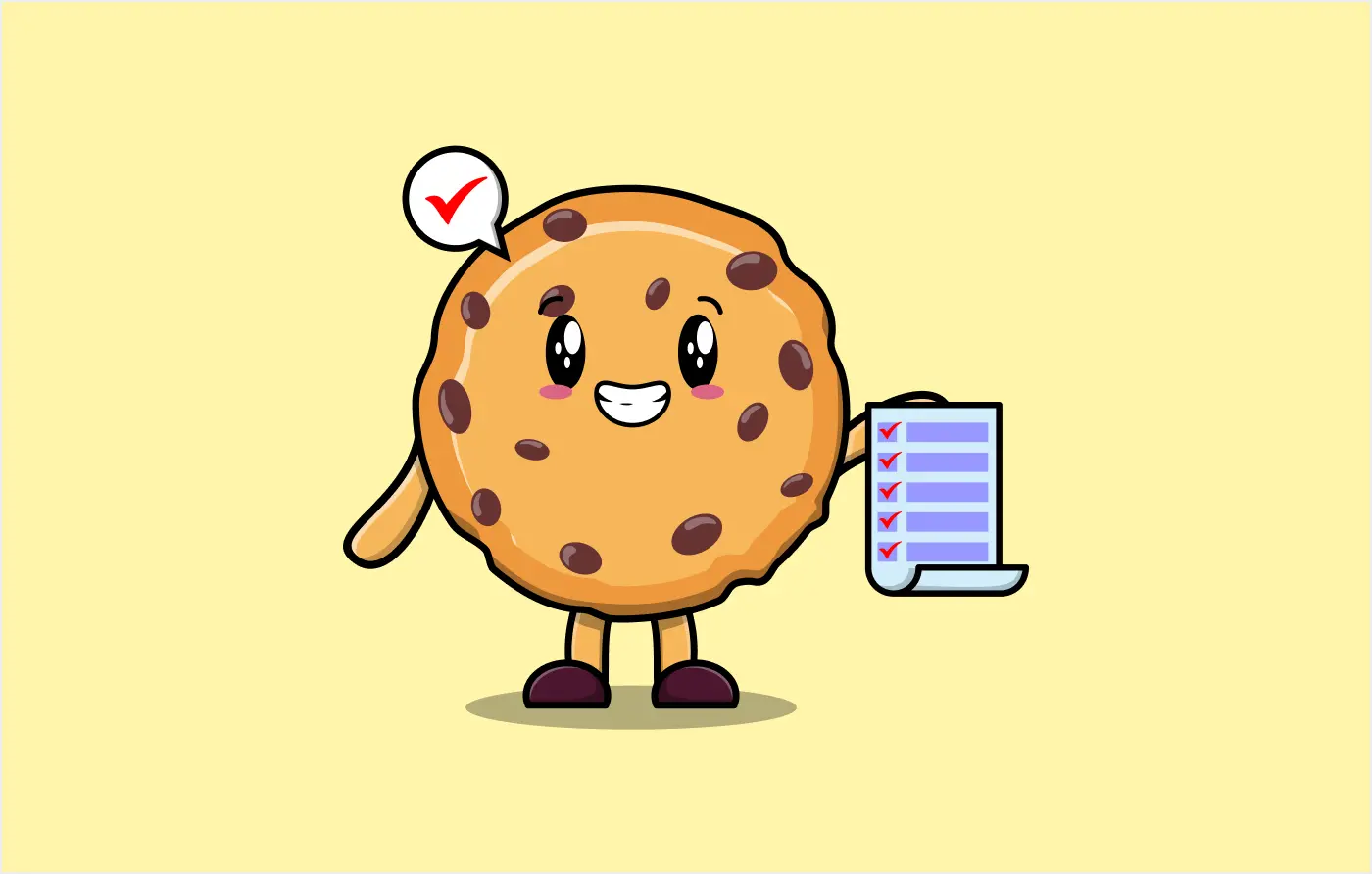
A smart cookie is used to refer to an overall smart person who has bright ideas or makes the right decisions. Sometimes, this idiom can be used in a sarcastic manner.
Example:
- One of our team members is a smart cookie, so we always follow his directions.
- My sister is such a smart cookie, she decided to switch universities right in the middle of a semester.
#8Put all eggs in one basket
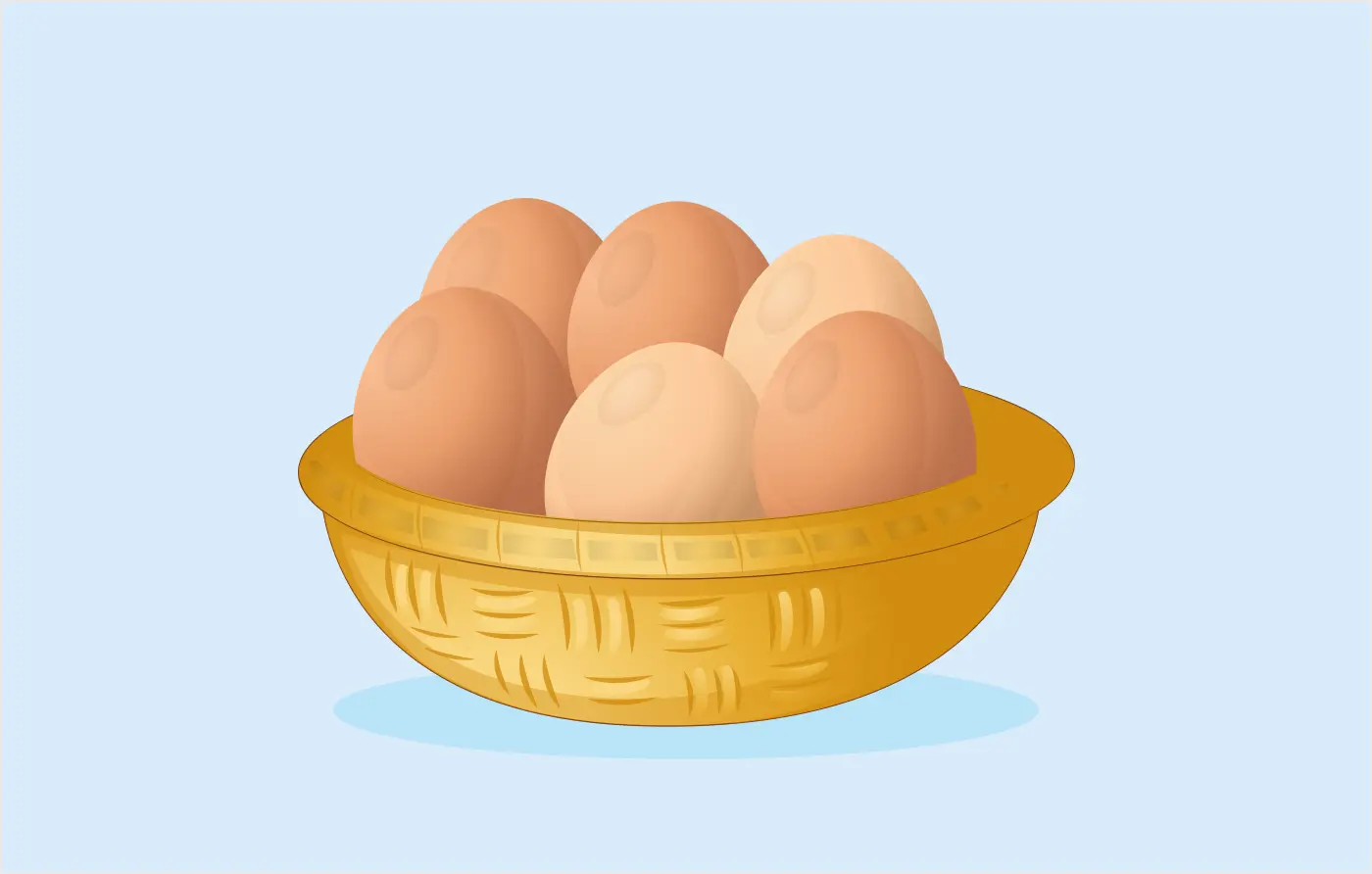
Putting all of your eggs in one basket means relying on one thing or an action plan to succeed without having a backup plan. Generally, such food idioms usually start with “Don’t put all eggs in one basket” as a way to caution a person in an instance their plan fails.
Example:
- He put all his eggs in one basket by applying only to one job and thinking he would get it right away.
- Don’t put all your eggs in one basket and look for other alternatives, or you might waste your resources.
#9Sell like hotcakes
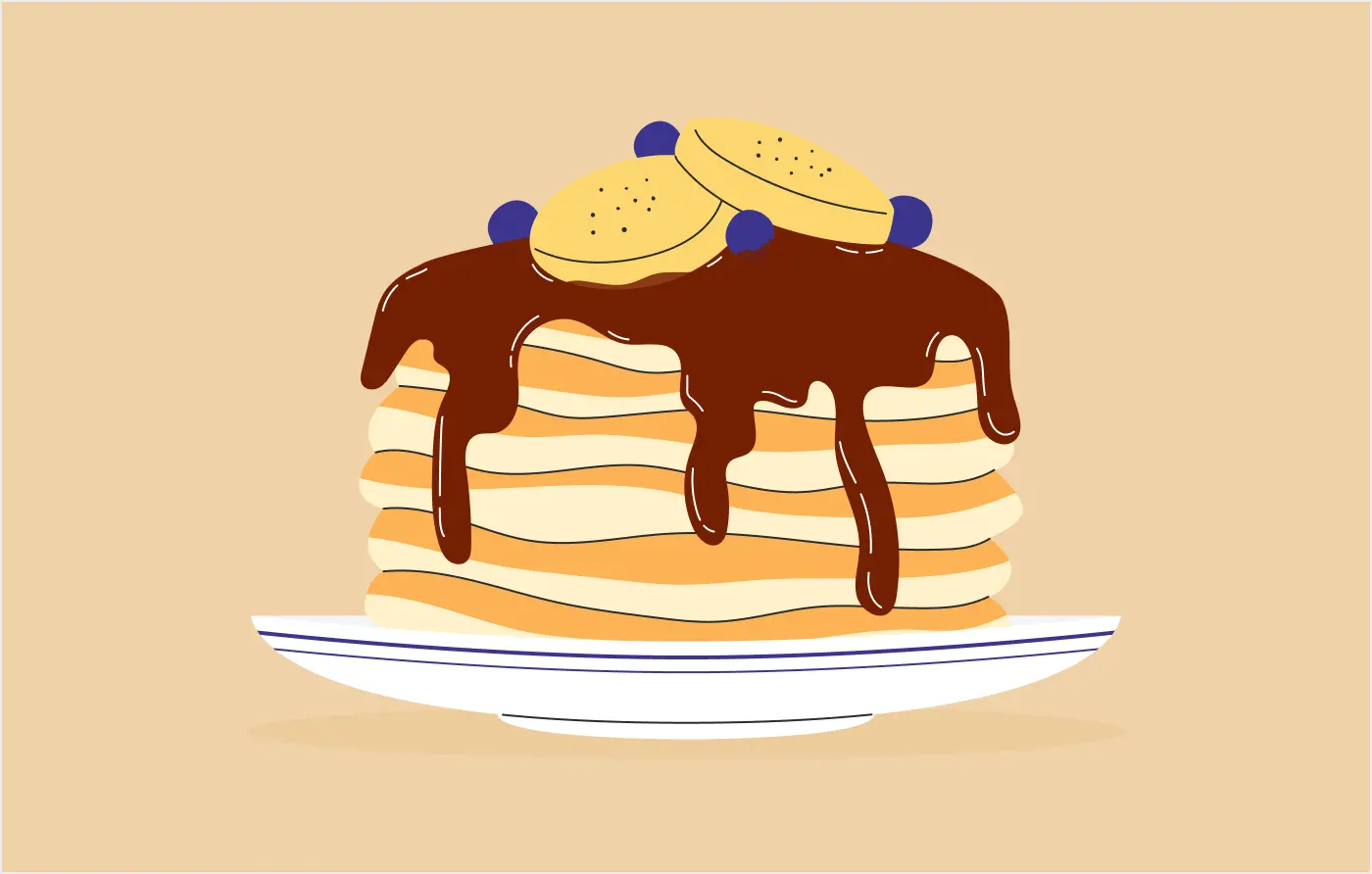
If something is selling like hotcakes, it means a lot of people are actively buying it. It’s certainly one of the funny English idioms to memorize for your vocabulary.
Example:
- The new Lana Del Rey album sold out like hotcakes at a record-breaking speed.
- The tickets to our upcoming town festival are selling out like hotcakes.
#10Spice things up
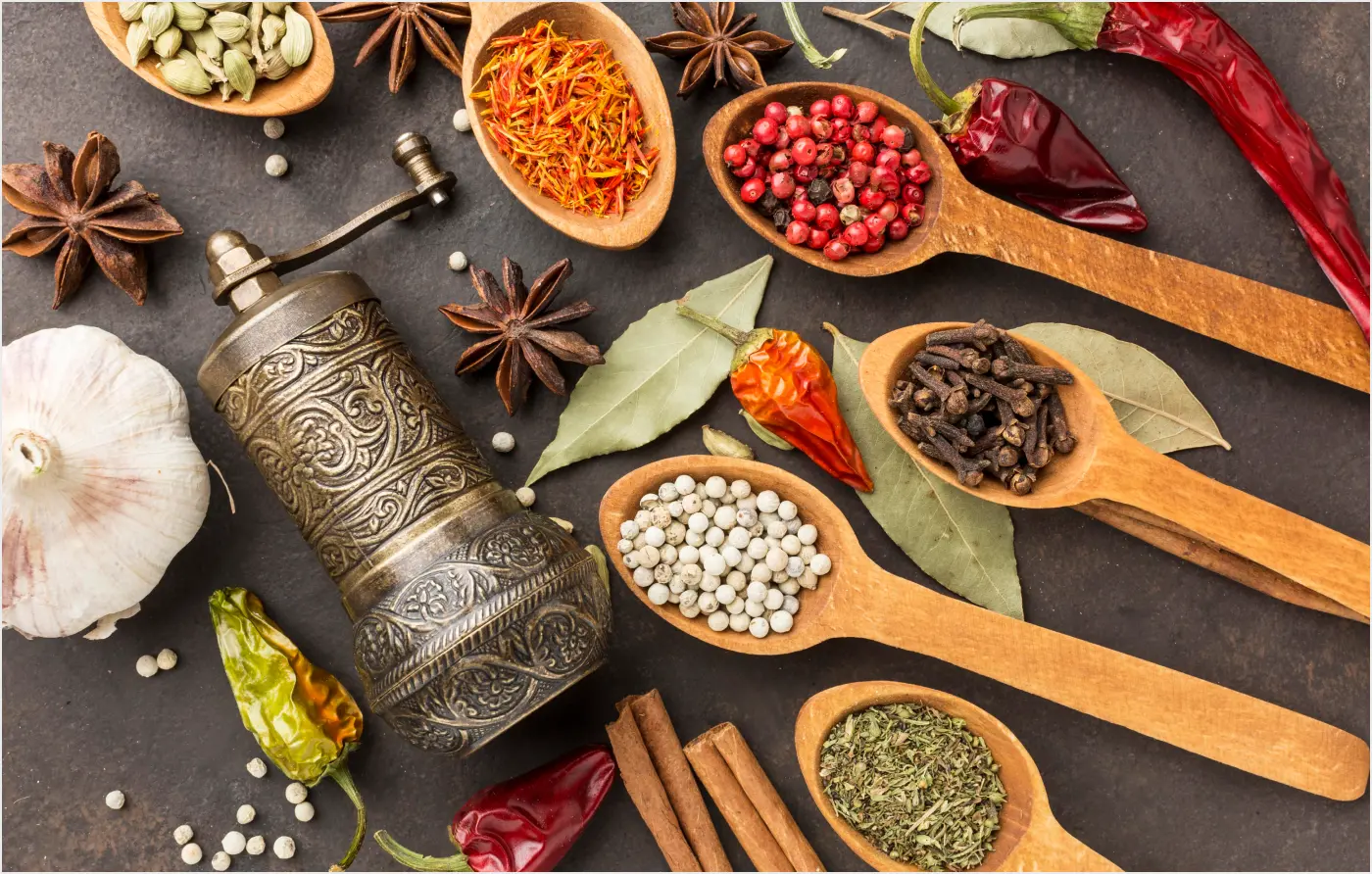
Spicing things up refers to a way to make something more interesting, exciting, or feel refreshed. Alternatively, it can also be used literally, meaning to add more spice to the recipe.
Example:
- John wanted to spice up his physics essay by throwing some jokes into it.
- We have been married for 25 years now, so we wanted to spice things up by going on a cruise trip across the ocean to gain new experiences.
#11Spill the beans

One of the most commonly used English idioms related to food, to spill the beans means to reveal a secret or tell confidential information to someone. You could also use this idiom in conjunction with some of the different ways to say hi in English.
Example:
- Come on, spill the beans about your date, I’m your best friend.
- We came up with a new business plan, so I hope my partner doesn’t spill the beans too early.
#12Like two peas in a pod

When two people are like two peas in a pod, it means that they are very similar to each other, either in appearance or behavior.
Example:
- Me and my twin sister are like two peas in a pod.
- When I was in elementary school, my best childhood friend and I were like two peas in a pod.
#13To go bananas

Going bananas essentially means becoming angry or mad. In certain contexts, it can also mean becoming extremely excited over something.
Example:
- My little son goes bananas when I tell him he can’t have sweets before dinner.
- She went bananas when she found out her favorite band was going to play a concert in her hometown.
#14Egg someone on
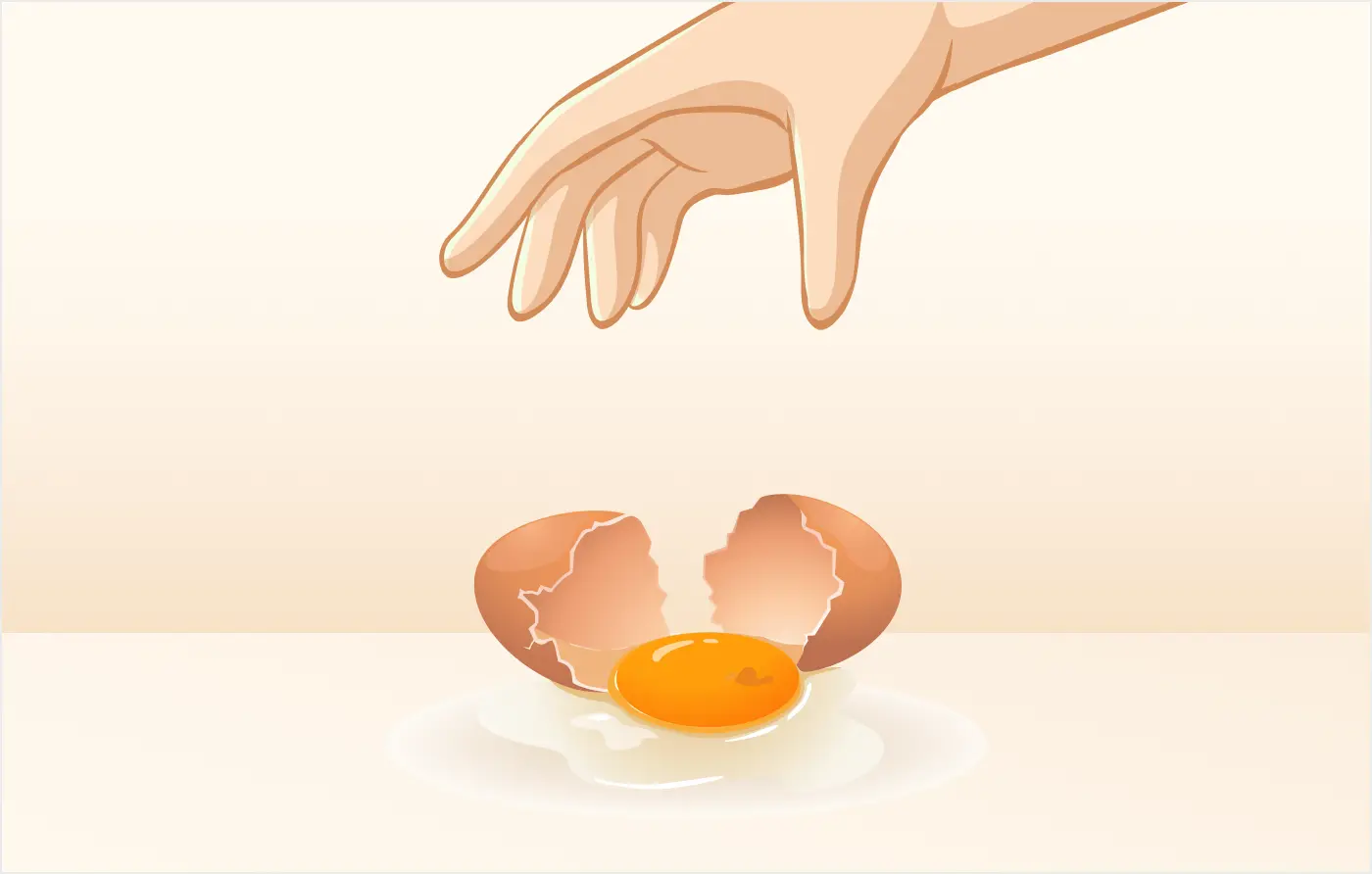
To egg someone on means to strongly encourage a person into doing something that may not be a very smart idea. Surprisingly, it’s not the last of our English food idioms related to eggs.
Example:
- He keeps getting into trouble at school because his friend keeps egging him on.
- John’s colleagues egged him on to demand a raise, and he actually fell for it.
#15Walk on eggshells

When someone is walking on eggshells, it means that the person must be very careful in talking to someone or dealing with a situation because the other person tends to be easily offended or upset.
Example:
- Sometimes I feel like I have to walk on eggshells around him when the topic of our future comes up.
- When my wife’s family came to visit on Christmas, I had to walk on eggshells since they didn’t really like me.
#16Have bigger fish to fry

Having bigger fish to fry means having other more important or interesting things to do or to attend to. It is one of the oldest used idioms about food mentioned on our list, as its origin dates back to the 17th century.
Example:
- My uncle decided that he was not going to attend our baby shower as he apparently had bigger fish to fry.
- My boss told me I had to tutor a new guy at work, but I have bigger fish to fry.
#17Cream of the crop

Being the cream of the crop means being the best or most favorable among all choices presented. This idiom has been adopted from the French phrase ‘la crème de la crème,’ which loosely translates to “the cream of the cream”.
Example:
- The orchids in my garden are the cream of the crop.
- Last year, we had many straight A-students, but Jenny was clearly the cream of the crop.
#18The apple of one's eye

The apple of one’s eye refers to someone a certain person loves or cherishes the most. It can also mean being extremely proud of someone.
Example:
- The family’s newborn daughter was the apple of their eyes.
- He had many bronze medals, but when he won gold — the trophy became the apple of his eye.
#19Bad apple
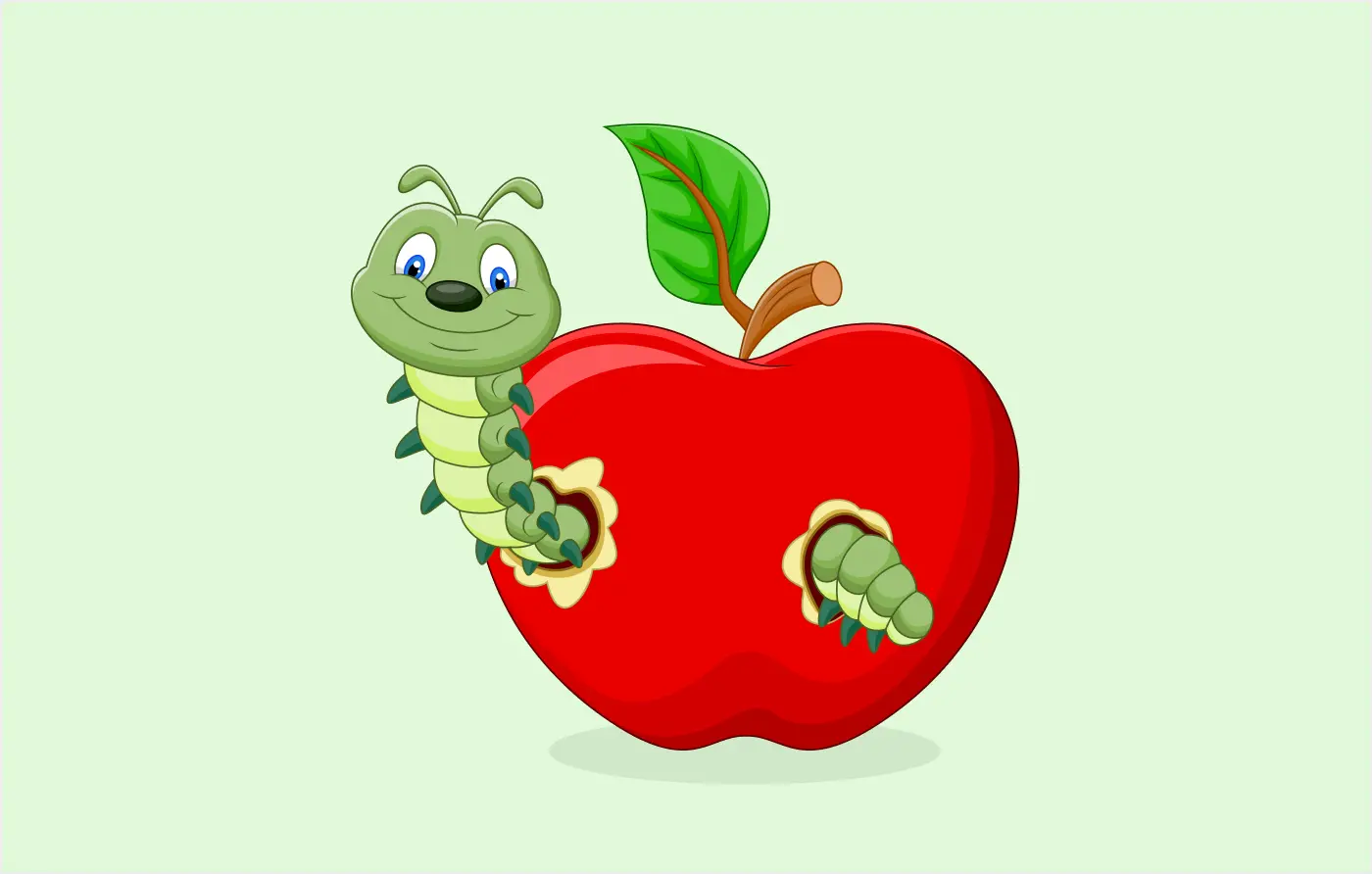
Another one of food phrases and idioms about apples. Being a bad apple means being a troublemaker or someone who does bad things and influences others to commit dishonorable actions.
Example:
- In a society, there are always a few bad apples within a group of people.
- When Marcus went to prison, he became the bad apple of the family.
#20Have a cake and eat it too

When someone manages to complete two tasks that are favorable to them but are unlikely to be done at the same time, it means the person has had the cake and ate it too. Essentially, the idiom means “You can’t have it both ways”.
Example:
- He wanted to have his cake and eat it too by going to the party late and still being on time for work in the morning.
- Some people expect to have a high-paying job without needing to pay their taxes. Don’t they know you can’t have a cake and eat it too?
#21Take the cake
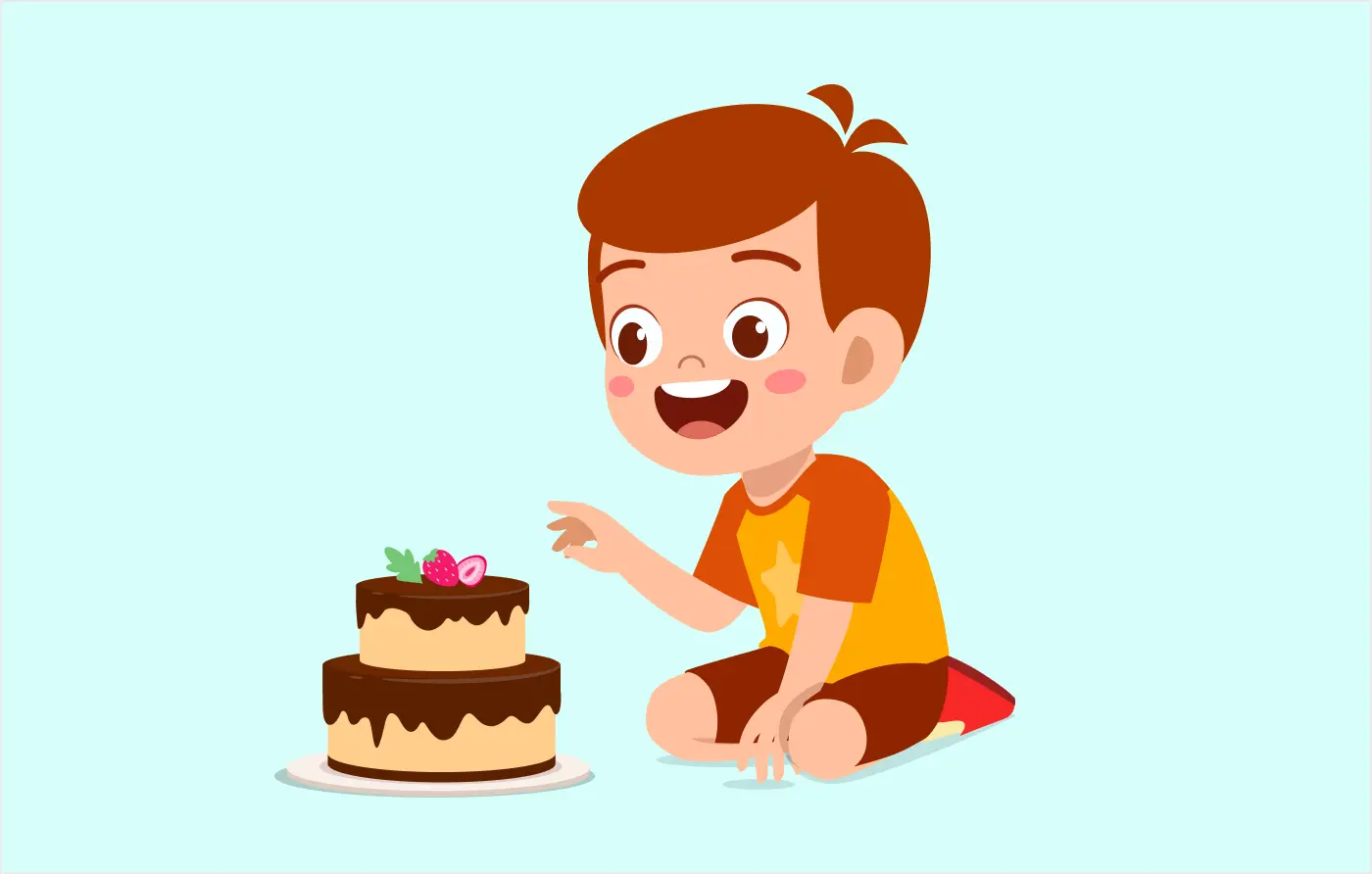
To take the cake means to win a prize or to rank first in something, like a competition.
Example:
- My shepherd’s pie took the cake in the latest baking competition.
- We have heard many convincing arguments about climate change, but this one takes the cake.
#22Icing on the cake
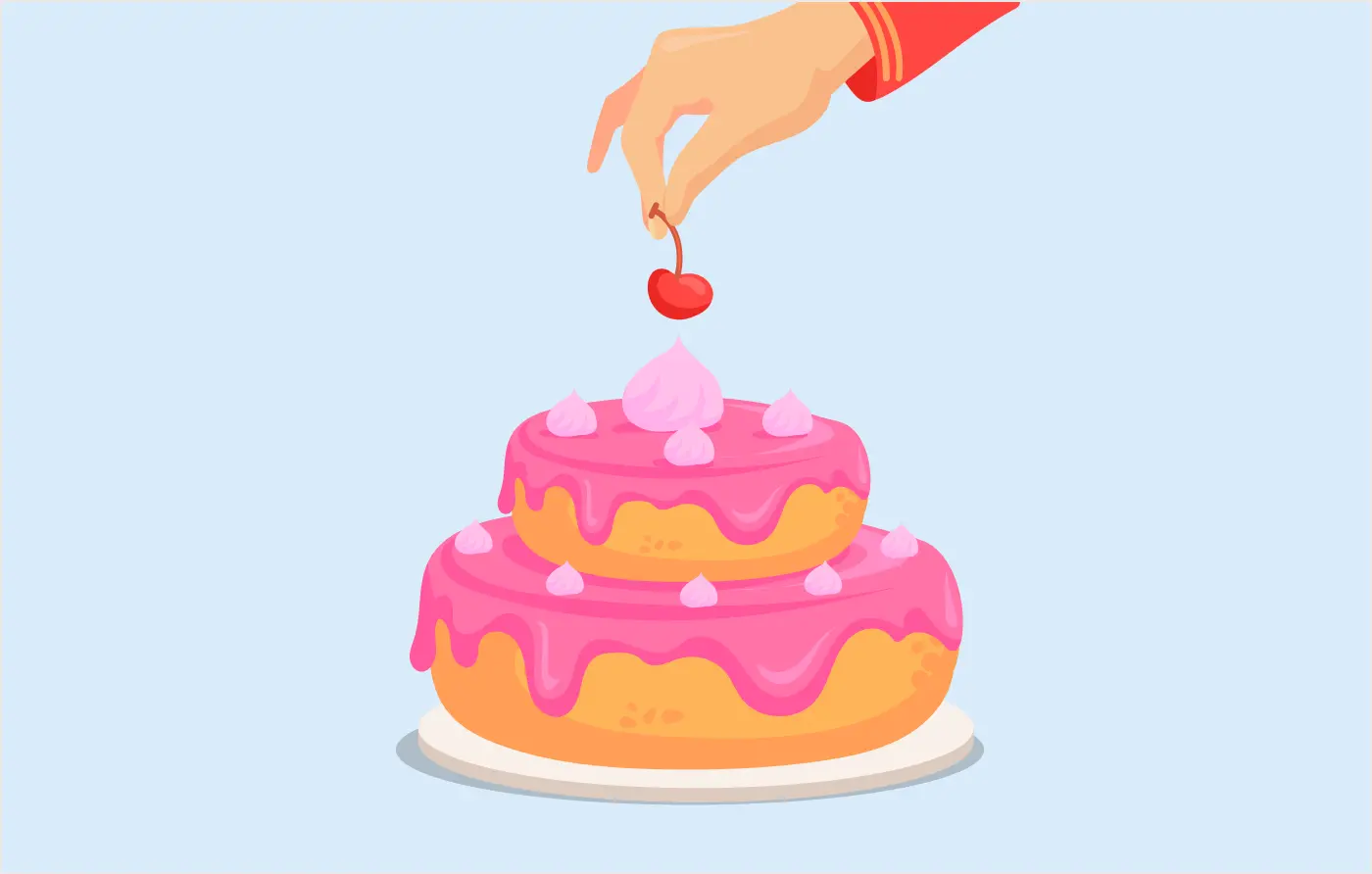
The last one of our food-related idioms about cakes, the icing on the cake refers to something extra that makes a good situation or an activity even better than it was before.
Example:
- Our vacation went fantastic, but the hotel we stayed at had such great room service that it was the icing on the cake.
- I was really ecstatic about getting my new job, but when I found out how spacious and modern the office was, it was truly the icing on the cake.
#23Butter someone up

Buttering someone up refers to being extremely kind or trying very hard to please another person because they want them to do something for them.
Example:
- Ted was buttering the boss up the entire month because he wanted to get a promotion.
- If the journalist wants to have their article published on the front page, he must try to butter up the chief editor.
#24The way the cookie crumbles

When saying that’s the way the cookie crumbles, it means that an unpleasant situation has occurred and there was nothing that could be done to avoid it, so you just have to accept it.
Example:
- When my son failed his exams because he wasn’t studying hard enough, I told him that’s the way the cookie crumbles in life.
- I had a sore throat all week before the show, so the performance wasn’t really good, but that’s the way the cookie crumbles.
#25Compare apples and oranges

Comparing apples and oranges refers to comparing two things that are fundamentally different and can’t be objectively juxtaposed with one another. It’s one of the most widely used idioms about food that have a lot of interpretations in other languages as well.
Example:
- Comparing the movies that are based on books with the book itself is like comparing apples and oranges.
- You can’t seriously think that a university and college education is the same, it’s like comparing apples and oranges.
#26Forbidden fruit

A forbidden fruit is a source of pleasure that is especially attractive because it involves breaking the rules or laws to achieve it. Originally the idiom referred to the biblical story of Adam and Eve, where they ate fruit from the Garden of Eden, which was not allowed.
The concept of forbidden fruit is quite often explored in some of the best movies for English learners.
Example:
- When you are on a diet, desserts and sweets become a forbidden fruit.
- Some students can’t resist the temptation of a forbidden fruit like cheating on important exams, so we must implement harsher punishments.
#27Low-hanging fruit

When something is called a low-hanging fruit, it means that it is something that can be easily obtained or successfully taken advantage of. Essentially, it refers to fruits that hang on the lowest branches of a tree and can be reached without too much effort.
Example:
- Our company might be going bankrupt, but instead, the leaders are focusing on low-hanging fruit issues like replenishing the staff.
- Many businesses nowadays are trying to become more eco-friendly. However, they tackle low-hanging fruit like biodegradable packaging.
#28Food for thought
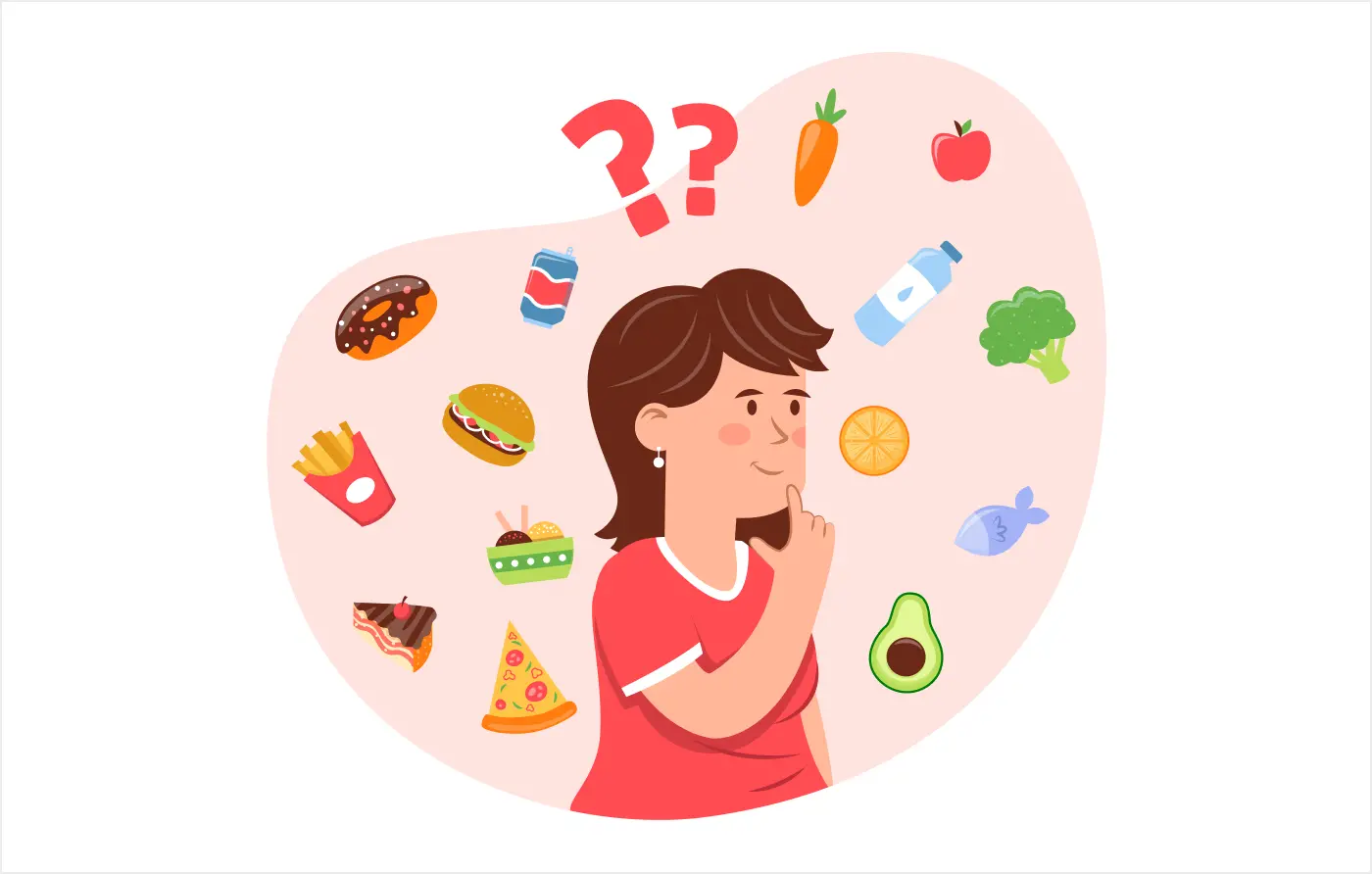
One of the most literal idioms for food on our list is food for thought. It refers to the kind of information that is worth being carefully examined and pondered upon.
Example:
- After the philosophy lecture, the teacher left us with a lot of food for thought that I had never considered before.
- Some thought the artist’s performance at the local concept theater was controversial and outrageous, but it gave the audience a lot of food for thought.
#29Couch potato

Calling someone a couch potato means that person is very lazy and has an inactive life, preferring to sit on a couch all day and watch television.
Example:
- Dave is such a couch potato, I asked him to clean the house while I was at work, and he did not do any of the chores.
- I wanted to invite her over to my apartment, but my roommate is such a couch potato that we could not get any privacy.
#30Not my cup of tea
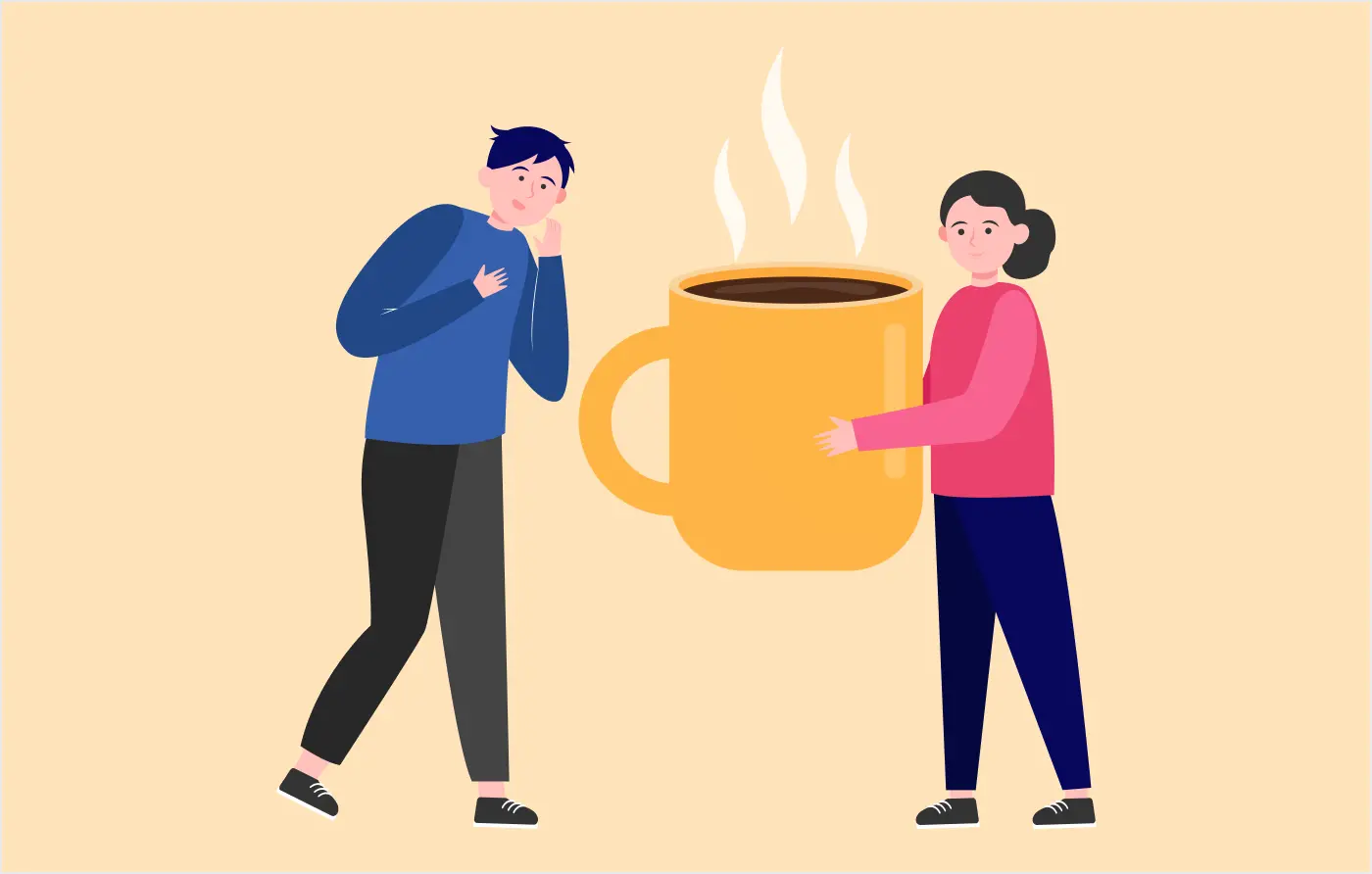
When we say something is not our cup of tea, it means that a certain activity, situation, or even a person is not to our liking. What is not surprising is that this food idiom originated in Great Britain in the first half of the 20th century.
Example:
- My boyfriend invited me to a metal band show last night, but such heavy music is not my cup of tea, so I refused.
- My mother insists that I join them for my uncle’s birthday party, but the way he gossips about other family members behind their backs is not my cup of tea.
What do idioms about food mean?
Idioms can be a great tool to help you communicate your thoughts more easily. Although the meaning of food idioms is figurative in nature, they can still ensure you get your message across in a way that everyone understands.
So, what is a technical definition of an idiom? Collins English Dictionary defines it as:
“An idiom is a group of words that have a different meaning when used together from the one they would have if you took the meaning of each word separately.”
What makes idioms such a unique way of communicating is that even though they exist in all languages, they help us convey very specific ideas and concepts through metaphorical or symbolic associations.
Introducing idioms related to food into your speech can be a great way to add some color and depth to your daily conversations. For speakers that learn English as a second language, it can be helpful to make your speech sound more native and expressive.
However, some students may be confused by the difference between an idiom, a prover, and a euphemism. In reality, both proverbs and euphemisms can be considered idioms.
For example, proverbs can be thought of as idioms that give the person metaphorical advice. “Don’t cry over spilled milk” doesn’t mean someone is literally crying over dairy, but it gives them guidance to not worry about something that has already happened.
In another instance, a euphemism is used to substitute a harsh expression for a more polite one. Saying someone is “a hard nut to crack” is a more pleasant expression as opposed to saying someone is difficult.
Summarizing food idioms
Using idioms for food in our speech can add flavor to the language we use when communicating with our peers and colleagues. It can give the conversations another layer of depth and personality, showcasing a stronger level of understanding and knowledge of English.
In this article, we explained the meaning behind idioms, as well as took a deep dive into food idioms examples that you can use in regular sentences and daily conversational situations. Keep in mind that idioms are not just quirky and funny expressions, they are a door to understanding and celebrating cultural nuances through culinary experiences.
Be sure to put effort into learning English idioms and remember that the best way to do so is to simply memorize their meaning. We also recommend you check out our guide to all the different ways you can say hello in English to add more color to your speech.