Animal Idioms: 30 Widespread Expressions for Colorful Speech

There is an immense variety of animal idioms that are present in the English language. Many of them reflect our human behavior and the culture we live n, which unsurprisingly varies from good to questionable. While some expressions are used widely, a few describe very nuanced situations, so it’s best to be familiar with each type.
In this article, we are going to take a look at the 30 most popular idioms about animals and explain what they mean, as well as how to use them. In addition, we will provide examples in sentences to demonstrate their usage in practice. Let’s dive right into it!
Animal idioms: list of 30 most-used
#1Chicken out

Starting off our animal idioms list, our first expression is to chicken out. When someone chickens out, it means they decide not to do or participate in something because they are overcome with fear, regardless if it’s rational or not.
Example:
- I had the opportunity to apply for the best college and move across the country, but I chickened out because I had never left my hometown before.
- Jack actually asked Ginny out on a date but chickened out at the last second since he thought she wouldn’t be interested in him.
#2Top dog

A top dog refers to a person or a group of people that have achieved success or victory in a particular sphere. Usually, their superiority or authority is reached by fighting through vigorous competition.
Example:
- Over the decades, Apple has become a top dog in electronics and software retail.
- When I was playing for my high school football team, I was an undefeated top dog.
#3The straw that broke the camel’s back
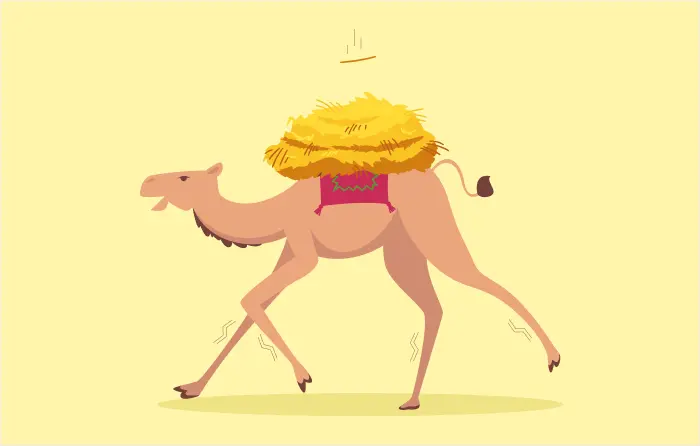
The straw that broke the camel’s back refers to the last or latest situation in a series of many unpleasant or unfortunate events. When such a situation occurs, it typically means the person cannot tolerate or deal with the stress anymore.
Example:
- Mary was struggling with the fact that her job was delaying her paycheck, but when her landlord threatened to evict her, it was the straw that broke the camel’s back.
- When I was going through a dark place in my life, my family was the only thing keeping the straw that broke the camel’s back away.
#4Until the cows come home

Until the cows come home simply means something that has or can go on for a prolonged period of time.
Example:
- Sometimes my mother-in-law and I get into very heated arguments about how to raise children, and it feels like they last until the cows come home.
- To avoid doing any work around the house, I pretend to do my homework until the cows come home.
#5One-trick pony
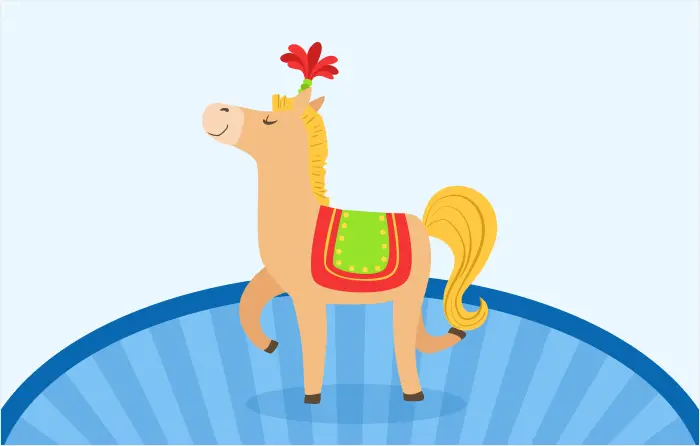
One-trick pony is among the slightly offensive animal idioms if they are used to describe a person. It refers to someone or something that is only good or skilled at one particular thing and is usually clueless in other spheres.
Example:
- It often feels like modern-day pop stars are one-trick ponies that sound pretty much the same.
- Our marketing department seems to be a one-trick pony with how they rely solely on one tactic that proved to be viable years ago.
#6At a snail’s pace
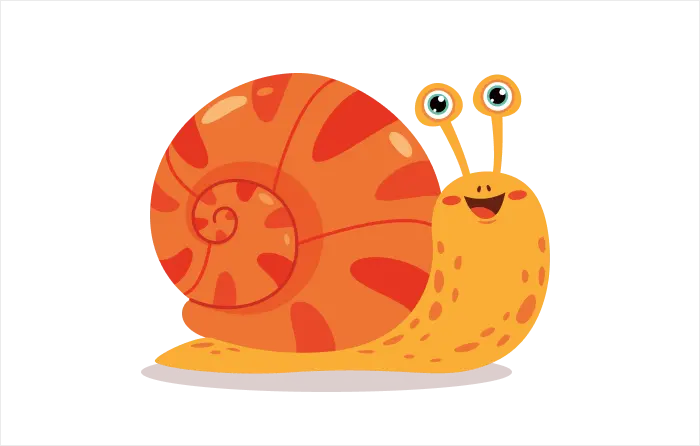
When something or someone is going at a snail’s pace, it means it progresses very slowly and without much effort put into it.
Example:
- When we boarded our 12-hour train ride across the country, it felt like we were going at a snail’s pace.
- My relationship with Patrick seems to be going at a snail’s pace, even though we agreed not to rush things.
#7Plenty of fish in the sea
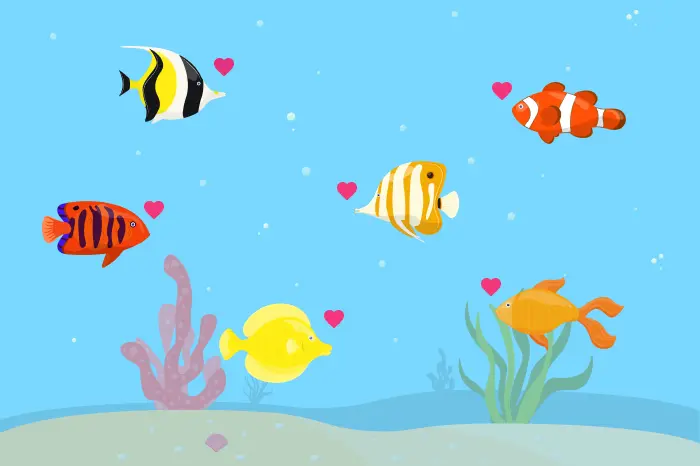
Plenty of fish in the sea means the world and life are filled with opportunities. This idiom can be used for a variety of situations, for example, it can be a comforting expression when someone’s relationship has ended and emphasizing that there are many other options available out there. In that instance, it can also be described as one of love idioms.
Example:
- There is no reason to cry over the fact that you and your boyfriend split up, there is plenty of fish in the sea!
- Don’t be upset that you didn’t get the job you were hoping to get, you will find something better because there is plenty of fish in the sea.
#8Take the bull by the horns
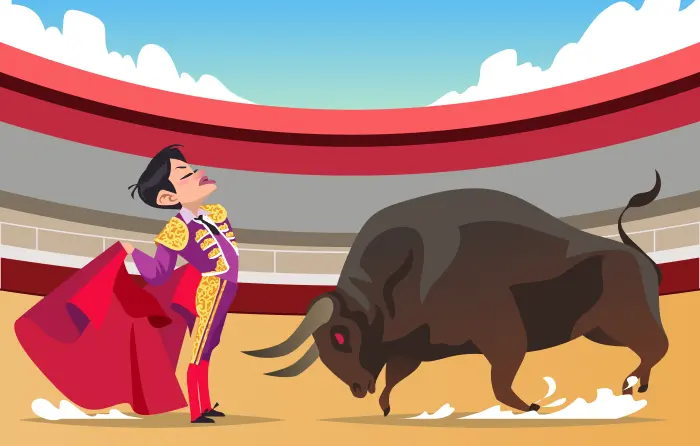
When someone takes the bull by the horns, it means they are confidently taking a risk at doing something that is granted to be advantageous in the long term. Curiously, take the bull by the horns can be found among idioms about animals within many different cultures.
Example:
- I decided to take the bull by the horns and learn how to ride a motorcycle.
- He took the bull by the horns when he finally told his boss he wanted a long-deserved raise.
#9Rat race

The rat race is a part of more figurative and commentary animal idioms since it refers to a social struggle that a large segment of people must endure. Usually, it means competing with others for wealth and status by working extremely hard, often harder than more privileged people.
Example:
- In many first-world countries, it has become a true rat race to get anywhere in life.
- In the previous centuries, the rat race was much more prominent with such a big gap between the wealthy and the poor.
#10Monkey see, monkey do
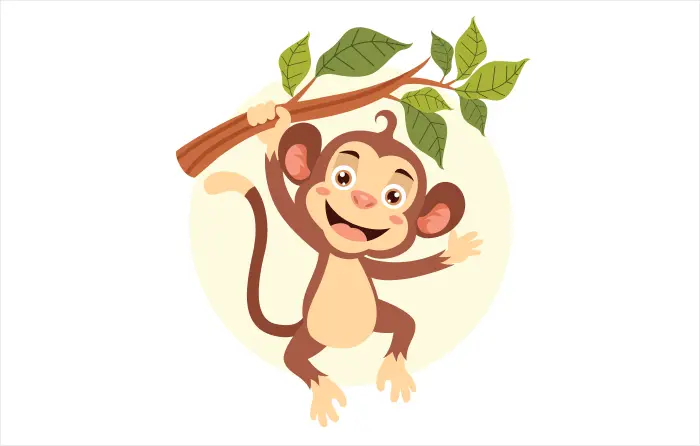
Certainly, among the more funny English idioms on our list is the expression monkey see, monkey do. Typically, it refers to a not-so-smart person that mimics or copies the behavior or opinions of other people because they can’t comprehend it or come up with something of their own.
Example:
- Some kids don’t grow out from the toddler behavior of monkey see, monkey do.
- My little brother won’t stop following me around, he’s monkey see, monkey do game is really starting to annoy me.
#11Let the cat out of the bag

When someone lets the cat out of the bag, it means they have told a secret or revealed information that was not intended to be public. This can happen whether intentionally or not.
Example:
- My sister let the cat out of the bag that me and Martin are getting married this summer.
- The press let the cat out of the bag that the current mayor will not be running for a second turn.
#12Kill two birds with one stone

Even though it’s one of the idioms about animals that sound rather harsh, the expression “kill two birds with one stone” means to do or achieve two things at the same time successfully. It is usually intended to mean within one action.
Example:
- When I worked as a mailman, I used to kill two birds with one stone by delivering newspapers to my grandma and simultaneously paying her a visit.
- If we stop by the mall, we can kill two birds with one stone by picking up groceries and buying our Halloween costumes.
#13Lion’s share
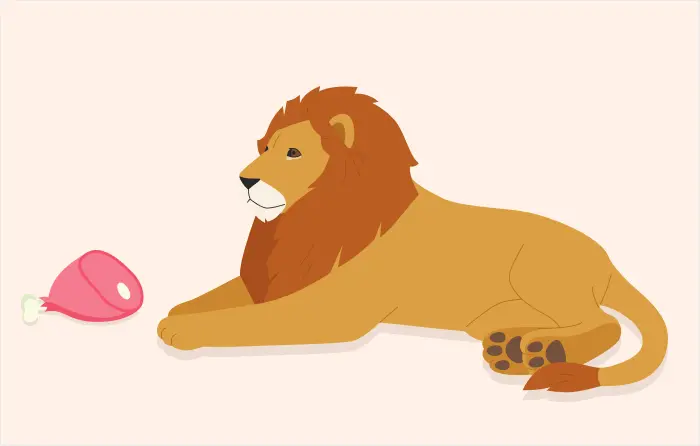
The lion’s share refers to the largest or the best part of something. Interestingly, this idiom is theorized to have multiple origins from a few ancient fables.
Example:
- As a successor to my father’s business, I got the lion’s share of the stakes.
- My mother used to give the lion’s share of attention to my youngest sister until she moved to another town.
#14Copycat
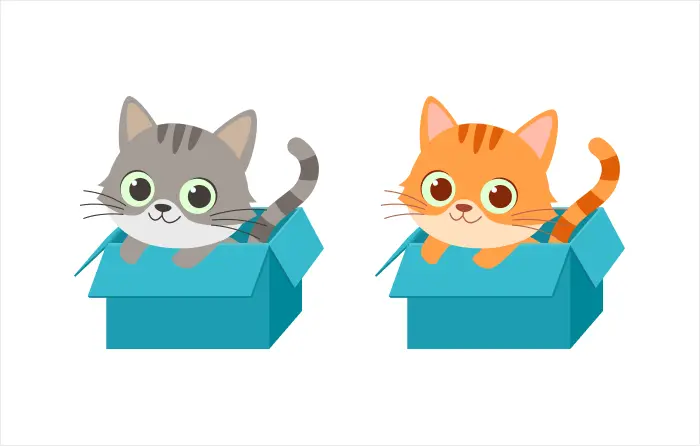
Copycat is similar in meaning idiom to monkey see, monkey do. It talks about a person or a product that is so similar to someone or something else it is practically a copy. Typically, when a thing is a copycat, it means it is unoriginal and is unable to produce its own ideas.
Example:
- You can find so many copycats on Amazon that try really hard to capitalize off famous brands.
- Our teacher lacks any creativity since she basically copycats lessons from the internet.
#15Leopard can’t change its spots
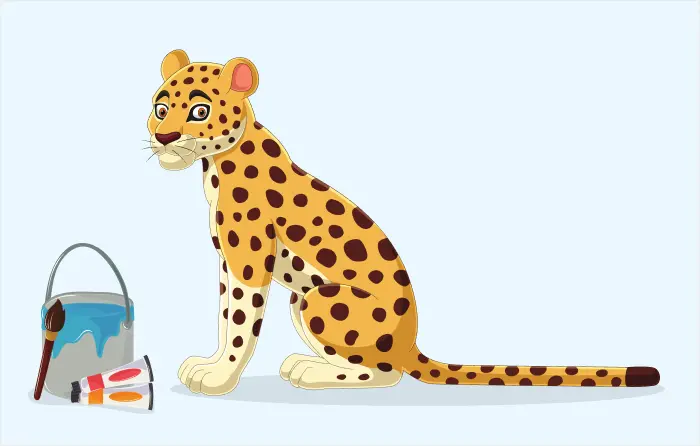
A leopard can’t change its spots means that a person cannot really change or alter their basic personality characteristics or habitual behaviors. It is certainly among animal idioms that carry a more philosophical meaning.
Example:
- After years of trying to reconcile our relationship, I decided to divorce my husband because the leopard can’t change its spots.
- My parents always taught me that a Leopard couldn’t change its spots, so don’t bother hoping that bad people will one day change.
#16A can of worms
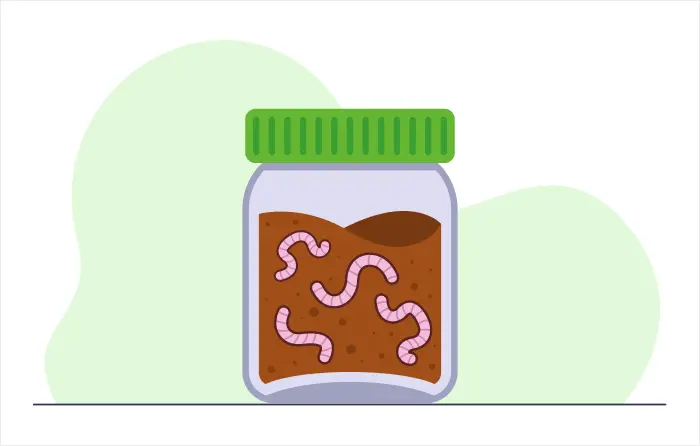
A can of worms means an unpleasant conversation that is actually more complicated and nuanced than it seems at first glance. Generally, this idiom is constructed as opening a can of worms.
Example:
- The prime minister opened a can of worms on social media when she started talking about inequality within the workplace.
- The art director at our gallery doesn’t want to open a can of worms that is our annual budget.
#17Look what the cat dragged in
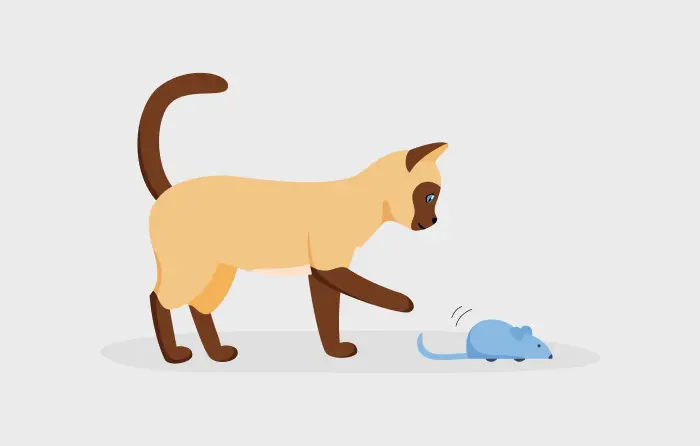
The idiom “look what the cat dragged in” is an expression that is used to draw attention to someone who has just entered a room. This can be used to express both the disappointment of someone’s arrival or, conversely, a positive attitude toward them.
Example:
- Look what the cat dragged in, we were waiting for you to arrive at our girl’s night out!
- Look what the cat dragged in at our get-together — the local sheriff.
#18Dog-eat-dog
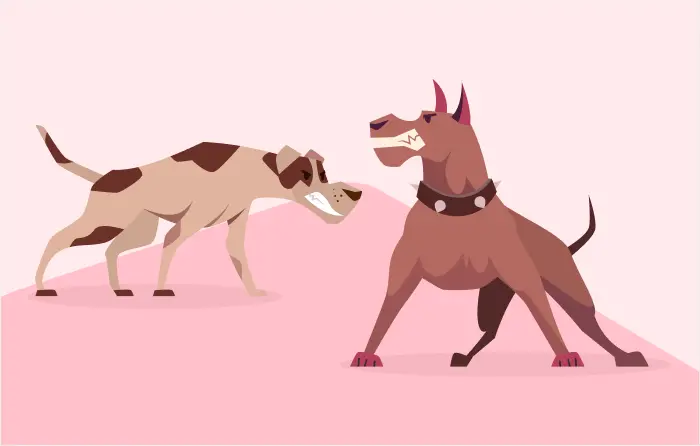
A dog-eat-dog describes a ruthless situation where people will go to various lengths to achieve what they want, even if it means mistreating other people. You can often hear this idiom used as a “dog-eat-dog world”.
Example:
- The competition in large enterprises to get to the highest-paying positions is truly dog-eat-dog.
- My grandfather always told me that we live in a dog-eat-dog world and that I must be careful.
#19The world is your oyster

Similar to “plenty of fish in the sea”, the definition of “the world is your oyster” is that we are free to do anything in our lives. In a way, it can also be considered as part of the food idioms.
Example:
- You can choose whichever college to go to, the world is your oyster.
- I realized that the world is my oyster when I quit my job as a waitress and pursued my career as a designer.
#20Let sleeping dogs lie

The first of our few English animal idioms about dogs is “let sleeping dogs lie”. It means that it is best to avoid disturbing or bringing up the topic of something because it can create more issues. Essentially, this idiom means to leave something alone.
Example:
- I considered bringing up my misunderstandings with colleagues to my boss, but I decided to let sleeping dogs lie.
- My mother can’t seem to let sleeping dogs lie and keep bringing up the topic of why she got detained.
#21A little bird told me

When someone says the expression “a little bird told me”, it means they have received secretive or confidential information about something, and the informant prefers to keep their identity anonymous.
Example:
- A little bird told me that our department is going to face a serious wave of layoffs.
- It turns out that our district attorney is going to make a public announcement soon. I know because a little bird told me.
#22Raining cats and dogs
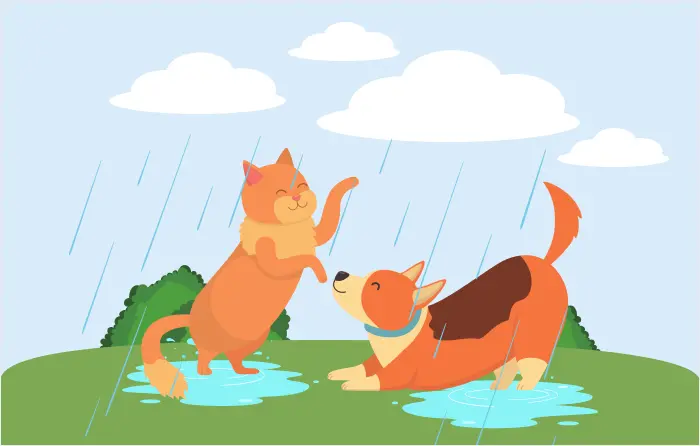
The peculiar phrase “raining cats and dogs” means heavy rain. Since there were never any recorded sightings of thunderstorms containing our four-legged friends, there are many theories about the origin of this idiom. Curiously, a lot of them speculate that the expression is very old, dating as far back as the 17th century.
Example:
- The forecast was looking good, and we decided to go out on a picnic, but when the time came by, it was raining cats and dogs.
- It was raining cats and dogs during our wedding, but we still managed to get good photographs.
#23All bark and no bite
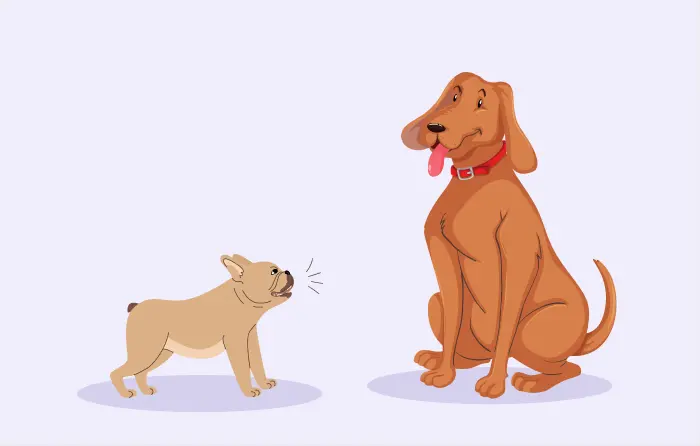
Continuing our streak of animal idioms about canines, the phrase all bark and no bite refers to a person that makes a lot of big claims, promises, or threats but does not usually act upon them.
Example:
- My neighbor threatens to call the police every time I throw a party and play music loudly, but she’s all bark and no bite.
- David keeps telling us how he is going to start his own business. However, we all know that he’s all bark and no bite.
#24Wolf in sheep’s clothing
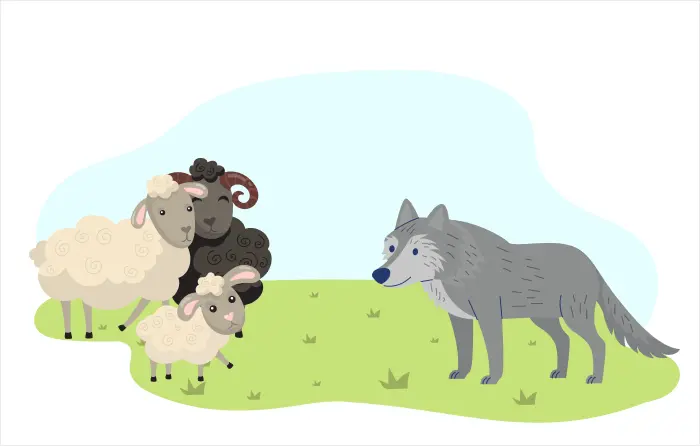
This idiom is used to describe a person with harmful intentions that pretends to be innocent to get trust or fit into a group of people. It’s believed that this expression has biblical origins.
Example:
- My stepmother is a wolf in sheep’s clothing because she pretends to be very nice in front of my dad but keeps nagging at me when we are alone.
- I didn’t believe my classmate was a wolf in sheep’s clothing until I saw them cheat on their exams.
#25Dark horse
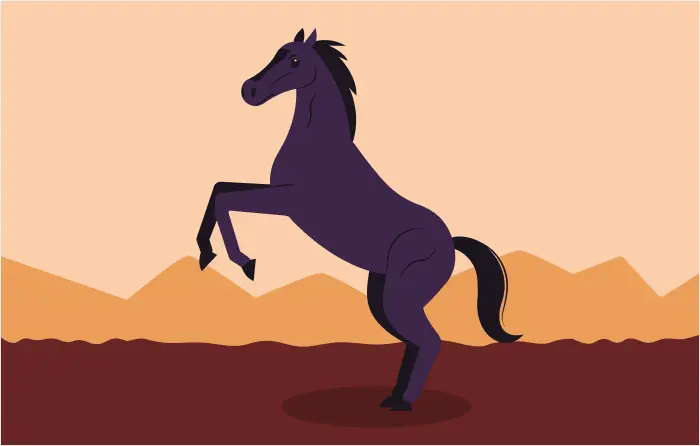
When someone is described as a dark horse, it means that this person kept his extraordinary skills or abilities secret and suddenly came on top. Typically, this phrase is used when someone unexpectedly wins a competition or a race.
Example:
- We always disregarded Jane. It turns out she’s a dark horse that is capable of winning a Nobel prize.
- Carl is a dark horse, I don’t have any doubts that his art gallery is going to be a major success.
#26Sitting duck
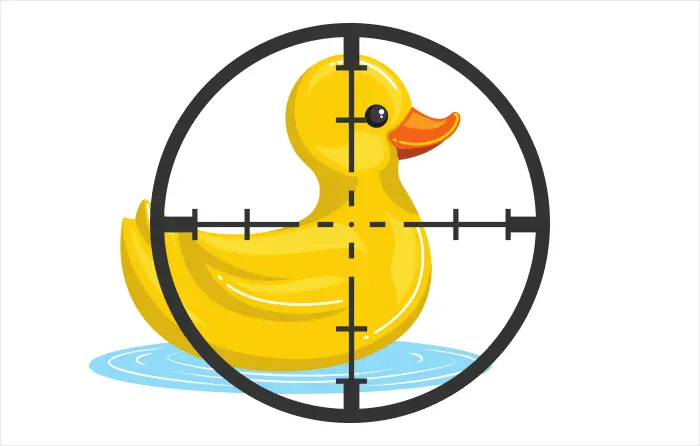
Sitting duck is among the English animal idioms that are used in more serious situations. It refers to instances when people, particularly soldiers, have no defense against an attack from the enemy.
Example:
- Once after a shootout, we ran out of ammunition and were sitting ducks until the evacuation team rushed to our positions.
- When I was on a ride-along for a police raid, I was told to wait in a car. I felt like I was a sitting duck.
#27Black sheep
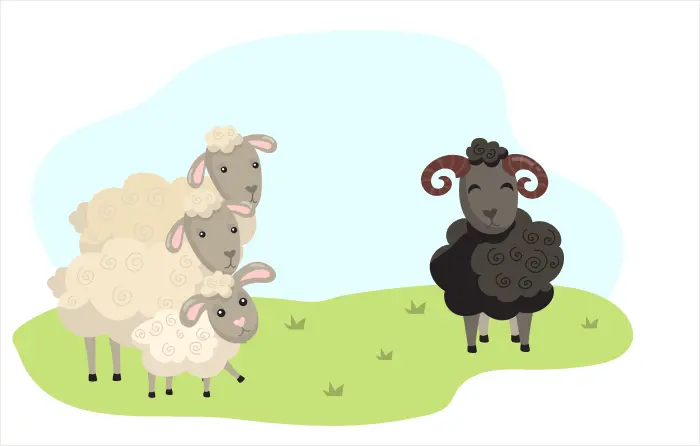
A black sheep is a person in a group of people, like at the workplace or in a family, that has done something wrongful and now brings embarrassment to the group to the point of being ostracized.
Example:
- After I came out to my parents, I became a black sheep at all family gatherings.
- Jack is now the black sheep in our family because he was recently arrested on the charges of robbery.
#28Wild goose chase
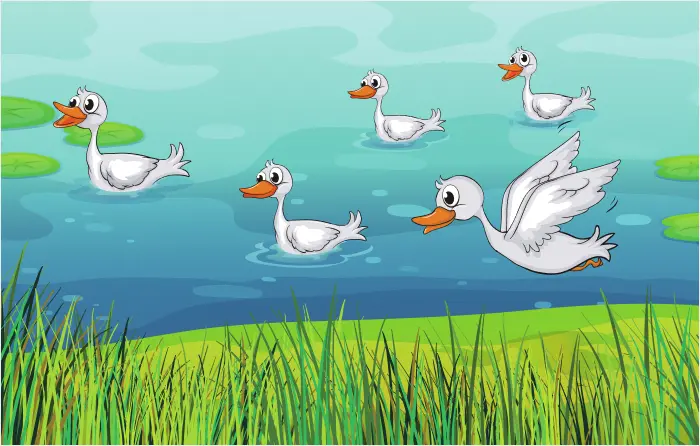
The idiom Wild goose chase refers to a pointless pursuit of something or someone. The chase is usually largely unsuccessful because the thing being looked after is non-existent or is not present.
Example:
- We were on a wild goose chase searching for the man that stole my wife’s jewelry at the party, but he was long gone.
- My brother embarked on a wild goose chase after a girl, not realizing she already had a boyfriend.
#29Weasel out of something
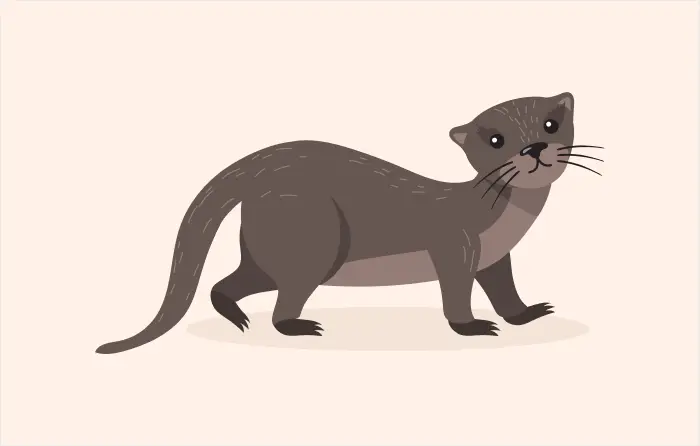
To Weasel out of something is certainly one of the more humorous idioms about animals. It means to avoid doing something or escape responsibility by leveraging the wit of the mind or even dishonesty.
Example:
- My son keeps weaseling out of cleaning his room by saying he has a school project to finish.
- I remember the time I weaseled out of passing my exam by lying to my teacher that I needed to visit my grandma at the hospital.
#30Red herring
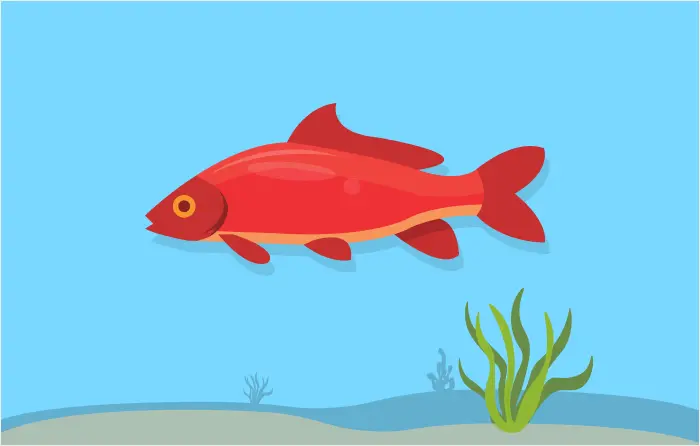
At last, our final idiom for today is red herring, which means a subject or a point that directs the attention away from more serious or main aspects of the situation. This idiom has very intriguing roots, originally being used literally as a way to prolong a fox hunt.
Example:
- The governor’s speech about sustainability was a red herring, diverting the attention from the decreasing quality of air.
- The movie Knives Out was full of red herrings in order to confuse the viewer about who the villain really is.
Do idioms about animals exist only in the English language?
Idioms, in general, are a universal way to express our feelings and experiences throughout various life situations. While you are unlikely to find completely the same sayings, some idioms do carry out their meanings and intent through different languages.
The choice of creatures used in animal idioms, the meanings attributed to them, and the figurative situations they are put in reflect the cultural and regional differences. This is the reason why you won’t find many identical expressions.
The use of idioms in daily speech can be a great way to add color, humor, or emotion to the discussion and dilute a more serious tone of conversation. Although you must be cautious about using idioms in informal speech as they may be inappropriate in certain situations.
In addition, when learning a variety of idioms, you should pay attention to the context in which they are used, especially if they are used toward a person or to describe someone individually. After all, not all idioms are harmless, some carry a negative and even offensive intent.
You can turn to a wide range of English grammar books for more useful information about how idioms are formed, where they come from, and how to use them properly. With idioms being a figurative part of speech that requires knowledge about their interpretation, it is always recommended to have a trusty dictionary by your side.
How to learn and memorize animal idioms?
Wrapping your head around idiomatic expressions is not an easy task for someone who studies English as a second language. Luckily, there are a few tried and true ways to train your memory and master idioms about animals.
Learning idioms comes much easier during study lessons and classes. However, it is still possible even in casual settings. You can try using a few of the standard methods non-native English students memorize a variety of idioms, such as the following:
- Contextual learning. The most popular way to approach learning new phrases and especially figurative expressions. This means learning through making contextual links, such as while reading a book, engaging with some kind of media, or watching some of the best movies to learn English.
- Journaling. Keep a journal nearby every time you hear a new idiom and write down its meaning. In addition, you can also write down familiar idioms and note the context they were used in. Once you get a solid amount of idioms written down, you can try categorizing them by several groups, such as animal type, context, emotional meaning, etc.
- Flashcards. Turning learning into gaming is always a fun way to make studying and memorizing new information more engaging. So, next time you will hang out with your friends, you can create flashcards with the idiom on one side and the meaning of it on the other and take turns guessing what they are.
You can also research some apps that offer interactive learning through various games, like quizzes, timed questions, etc. Recently, it has become a popular way to learn English through entertainment.
- Speaking clubs. Socializing has always been an effective way to put newly acquired knowledge to the test. Find out if there are any social gatherings near you that get together to practice English. Joining online forums and talking to fellow students is also a great place to start.
In conclusion of animal idioms
Taking a deep dive into the subject of idioms and expressions can greatly help enrich your English skills. Getting to know and understand a variety of idioms that exist also makes your speech more proficient and native-like.
With that being said, this topic is not for the faint of heart and requires a solid basis of English knowledge. After all, idioms are not meant to be taken literally, and even some of the more experienced and fluent speakers can struggle with comprehending their meaning.
Today, we explored 30 of the most widely used animal idioms and discussed what they mean. Additionally, we provided a few contextual examples of how these idioms can be used in daily conversations. Keep in mind that learning new expressions requires patience, so don’t be discouraged if you can’t remember them all at once, and keep persisting in your effort to improve your skills.